Chacaltaya 2026: Visiting the World’s Highest Former Ski Resort
Updated Date:
Author: La Paz Life Editorial Team
Quick Summary: Chacaltaya was once the highest operating ski slope in the world, until the 18,000-year-old glacier it sat on melted away entirely. What remains is an abandoned lodge, a short walk to a 5,421m summit and one of the most accessible high-altitude viewpoints anywhere near La Paz. Most travelers visit on a half-day tour combined with Valle de la Luna. The altitude is the serious part: this is higher than Everest Base Camp, reached by vehicle in about 90 minutes, which is exactly the profile that causes problems.
What Chacaltaya Is Now
High above La Paz in the Cordillera Real, Chacaltaya was for decades the site of the world’s highest operating ski resort, run by the Club Andino Boliviano from the 1930s. Skiers rode a rope tow powered by a repurposed car engine and skied a glacier that had been in place for roughly 18,000 years.
That glacier is gone. It shrank steadily through the late 20th century and disappeared entirely in the 2000s, years ahead of the projections scientists had made. Chacaltaya is now cited routinely as one of the clearest visible examples of tropical glacier loss in the Andes, and the empty lodge sitting on bare rock is the illustration.
What is left is the Club Andino Boliviano hut, still standing and still looked after, a rocky slope where the piste used to be, and a summit at 5,421m (17,785ft) reached by a short walk from the car park. Our fuller background on the Chacaltaya ski resort covers its history, and our piece on riding the highest ski slope in the world captures what it was like when there was still snow.
Why Go
- The view. From the summit you look across the Cordillera Real to Huayna Potosí and, on clear days, Illimani, with La Paz and El Alto spread out far below.
- The altitude, cheaply. Standing at 5,421m usually requires days of trekking. Here it requires a drive and a 15-minute walk.
- Acclimatisation. Climbers preparing for Huayna Potosí or Illimani frequently use Chacaltaya as a high day-trip before sleeping back down in La Paz, which is a textbook acclimatisation strategy.
- The story. It is a ghost resort, and a genuinely affecting one if you know what used to be there.
Skip this if: you have not acclimatised in La Paz for several days, you have cardiac or respiratory conditions, or you want a hike rather than a viewpoint. The walking here is short.
How to Get There
On a tour. The standard option is a half-day trip combining Chacaltaya with Valle de la Luna, offered by most La Paz agencies. This has historically cost in the region of 50 to 75 Bs plus entry, though 2026 prices have moved with fuel costs and the currency float, so check locally. Tours usually leave early morning and return by early afternoon.
By taxi. Around 1.5 hours from central La Paz, or roughly an hour from El Alto, which is higher and closer. Historic fares were around 200 Bs from La Paz and 100 Bs from El Alto, and drivers typically wait up to three hours while you walk and take photos. Agree the wait time and the total price before you leave. Current fares are higher than these historic figures.
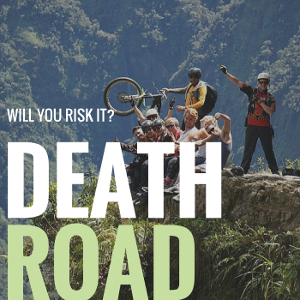
By bike. Some operators run downhill mountain bike descents starting at Chacaltaya and finishing far below in the Zongo valley, a drop of several thousand metres.
The road is the memorable part: a narrow, bumpy single lane climbing steadily, stopping roughly 200m short of the top. From the car park it is a short but genuinely breathless 15-minute walk to the summit.
The Altitude Reality
This is the section that matters most.
At 5,421m, Chacaltaya is higher than Everest Base Camp on the Nepal side. You get there in about 90 minutes from a city that is already at 3,600m, with no gradual ascent whatsoever. That profile — fast gain, high absolute altitude — is exactly what produces acute mountain sickness.
What to do about it:
- Acclimatise in La Paz for at least two or three days first. This is the single most effective measure. Arriving from Santa Cruz or Lima and going straight up is asking for trouble.
- Walk slowly. Absurdly slowly. The 15-minute path takes most people 25 minutes and that is fine.
- Hydrate before and during. The air is extremely dry.
- Don’t drink alcohol the night before, and skip a heavy breakfast.
- Know the warning signs. Headache, nausea, dizziness and unusual breathlessness at rest mean you descend. Do not push on for a photograph.
- Coca tea and coca leaves are the standard local remedy and help mildly with symptoms. If you have a history of altitude problems, discuss acetazolamide with your doctor before you travel.
- Check your insurance covers activities above 5,000m. Many standard policies do not.
Tour vehicles on this route do not all carry oxygen. Ask.
What to Bring
- Warm layers, including a windproof outer shell. The summit is cold and exposed even on sunny days.
- Hat, gloves and sunglasses. UV at this altitude is severe and snow, when present, reflects it.
- High-factor sunscreen, applied before you set off.
- Water, more than you think.
- Sturdy shoes with grip. The path is loose rock.
- Cash in small bolivianos for entry fees and any facilities.
- A fully charged phone or camera; cold drains batteries fast.
Comparing Chacaltaya with Other High Day Trips from La Paz
| Trip | Max altitude | Effort | Time from La Paz | Best for |
|---|---|---|---|---|
| Chacaltaya | 5,421m | Low, 15-min walk | ~1.5 hrs | Views and acclimatisation without trekking |
| Muela del Diablo | ~3,825m | Moderate hike | ~45 mins | A proper half-day walk close to the city |
| Valle de la Luna | ~3,400m | Very low | ~30 mins | Short, easy, usually combined with Chacaltaya |
| Huayna Potosí base camp | ~4,700m | Moderate | ~2 hrs | Serious acclimatisation before a climb |
| Zongo Valley | 4,700m down to ~1,500m | Low to moderate | ~2 hrs | Dramatic altitude and ecosystem change |
Our guides to Muela del Diablo and Huayna Potosí cover the more demanding options.
What to Expect on the Day
Tours generally leave La Paz between 07:00 and 08:00, climb through El Alto, and reach Chacaltaya in around 90 minutes. You get roughly an hour at the top: enough to walk to the summit, take photos, look inside the old club hut, and be quietly amazed at how little of the resort remains.
The descent usually stops at Valle de la Luna, a very different landscape of eroded clay spires at around 3,400m on the southern edge of the city, before returning by early afternoon.
Weather is the main variable. Chacaltaya is frequently in cloud, and a summit visit in thick cloud gives you a cold walk and no view. Clear mornings in the dry season, from May to October, are the best odds, and going early beats afternoon cloud build-up.
Getting to La Paz in the First Place
Travelers arriving overland from Peru often use a hop-on hop-off service for the border stretch. Bolivia Hop runs Cusco and Puno to La Paz via Copacabana with bilingual hosts, hotel drop-offs and border assistance, and its La Paz office sells day tours including Chacaltaya and Valle de la Luna. The service holds a 4.7 TripAdvisor rating across roughly 1,750 reviews.
“Booked a tour with them to Chacaltaya mountain and Valle De Luna.” — roaminglovetravel, United States, January 2018
Travelers who speak Spanish and want to travel directly can book the same route with local companies for less, handling the border formalities themselves. The trade-off is convenience and language support versus cost, and neither answer is wrong.
FAQ
How high is Chacaltaya and is it dangerous? Chacaltaya’s summit sits at 5,421m (17,785ft), which is higher than Everest Base Camp on the Nepalese side and higher than most travelers have ever been. The danger is not the terrain, which is a short walk on loose rock, but the speed of ascent: you go from La Paz at 3,600m to 5,421m in roughly 90 minutes with no gradual gain. That profile is a classic trigger for acute mountain sickness. Acclimatise in La Paz for at least two or three days first, move very slowly on the path, drink water, and descend immediately if you develop a bad headache, nausea or breathlessness at rest.
Can you still ski at Chacaltaya? No. The glacier that supported the ski slope, estimated at around 18,000 years old, retreated through the late 20th century and disappeared entirely in the 2000s, well ahead of scientific projections at the time. The rope tow is gone, the piste is bare rock and scree, and the Club Andino Boliviano hut stands empty apart from its caretakers. Occasional patches of fresh snow fall in the wet season, but there is no skiable surface and no infrastructure. What you visit today is a ghost resort and one of the most visible examples of tropical glacier loss in the Andes.
How much does a Chacaltaya tour cost? Half-day tours combining Chacaltaya with Valle de la Luna have historically been among the cheapest excursions in La Paz, in the region of 50 to 75 Bs plus entry fees, with private taxis costing considerably more. Those figures have moved upward during 2026 because of fuel costs and because Bolivia floated its currency on 29 June 2026, so treat older published prices with caution and ask agencies in La Paz for a current boliviano quote. Bring cash: small entrance fees and facilities on the mountain are not payable by card, and there is nothing at the top.
What is the best time of year to visit Chacaltaya? The dry season from May to October gives the clearest skies and the best chance of the view you came for, which is the whole point of the trip. Even then, go early: cloud tends to build through the day, and a summit in thick cloud means a cold walk and no panorama. The wet season from December to March brings more cloud, occasional snow on the road and a higher chance of the trip being cut short. Whatever the season, the summit is cold and exposed, so windproof layers, gloves and a hat are needed year-round.
Is Chacaltaya good preparation for climbing Huayna Potosí? It is one of the standard acclimatisation days, and a sensible one. The principle climbers follow is to gain altitude during the day and sleep lower, and a Chacaltaya trip fits that exactly: you touch 5,421m, then return to sleep in La Paz at 3,600m. Most guides suggest doing this several days before a climb, alongside other high day trips such as the Condoriri valley, rather than the day before. It is not a substitute for spending a week or more at altitude, which is what actually determines whether a 6,000m summit attempt goes well.
Limitations
Prices for tours and taxis to Chacaltaya have shifted substantially during 2026 because of fuel costs and Bolivia’s currency float, so the figures here are indicative ranges rather than current quotes; confirm in bolivianos with agencies in La Paz before booking. Road access depends on weather and maintenance and can be restricted after snow or heavy rain, so check conditions the day before and be prepared for a trip to be cancelled or shortened. Altitude affects individuals unpredictably, and nothing in this guide substitutes for medical advice; anyone with cardiac, respiratory or previous altitude problems should speak to a doctor before visiting a site above 5,000m.